
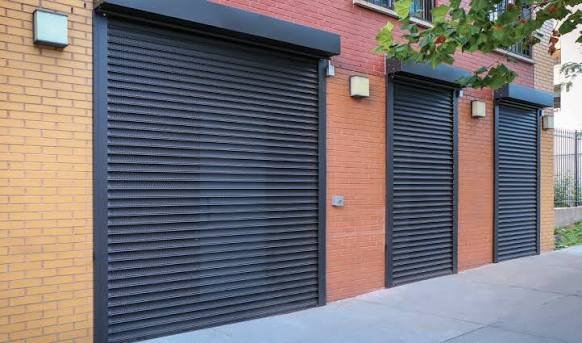
There is no single price per square metre for a rolling shutter door in Egypt. The quote depends on the opening size and the space above it, the slat material and thickness, the door's weight and the motor it needs, the controls and safety devices, and how much preparation the site needs before installation. A reliable quote starts with measurements, photos and a clear description of how the door will be used.
This guide explains each cost factor for a rolling shutter door, how to compare quotes fairly, and what information to send so your first quote is close to the final price. It is written for factory managers, warehouse operators, retailers and contractors who need a door that keeps working for years, not just the lowest number on paper.
What determines the price of a rolling shutter door?
Six things drive the price: the size of the opening, the slat type and finish, the operating system (manual or motorised), the control and safety package, the condition of the opening, and the installation conditions on site. Two doors of the same size can differ a lot in price because they differ in one or more of these.
1. Opening size and headroom
Width and height set the amount of curtain, guide rail and barrel needed. Headroom, the space between the top of the opening and the ceiling or beam, is just as important. The curtain rolls up into a coil above the opening, so limited headroom can mean a different mounting arrangement or a custom hood. Very wide openings also need stronger guides and a heavier barrel so the curtain does not sag or deflect over time.
2. Slat material, thickness and finish
The curtain is the heaviest part of the door and usually the largest part of its cost. Common options include:
- Galvanised steel slats: the most common choice for warehouses, workshops and shop fronts; price varies with gauge and coating.
- Aluminium slats: lighter and corrosion-resistant, a good fit for cleaner frontages and coastal or humid sites.
- Insulated (foam-filled) slats: reduce heat and noise transfer, useful for stores holding heat-sensitive goods.
- Perforated or grille slats: allow light, airflow and visibility while keeping the opening secure, common in malls and display areas.
Thicker slats and better finishes such as powder coating cost more, but they last longer and resist dents and corrosion better.
3. Motor and operation
The curtain's weight decides the motor size. Under-sizing the motor to save money leads to overheating, frequent faults and a short service life. Light doors can use a tubular motor inside the barrel; heavy or large industrial doors use a side-mounted or centre-mounted operator. For industrial use, a manual override such as a chain hoist or crank is strongly recommended for power cuts.
4. Controls and safety devices
A motorised door can run from a simple wall switch, a remote control, or be integrated with an access control system for card or keypad entry. Safety additions such as a bottom-edge safety sensor, photocells and an anti-fall brake add to the price, but they are essential wherever people, vehicles or forklifts pass under the door.
5. Condition of the opening and power supply
The sides of the opening must hold the guide rails firmly. Weak brickwork, uneven columns or an opening that needs a steel frame adds work. If there is no suitable power point near the motor position, a new supply line is needed. A site visit identifies these items before the final quote, so they do not appear as surprises on installation day.
6. Site access and working conditions
Installing on a ground-floor shop front is different from working at height in a running factory or a remote industrial zone. Scaffolding, a lift, night work or installation during a factory shutdown all affect the cost and the schedule.
Why we don't publish a fixed price per square metre
A price per square metre hides the parts of the door that do not scale with area: the motor, the control system, the safety devices and the installation work. A light manual shutter and a heavy motorised industrial door of the same size can be very far apart in cost. Comparing them by area alone means comparing two different products. A line-by-line quote is the only fair basis for comparison.
What raises or lowers the cost
| Item | Lower-cost option | Higher-cost option | When the higher option pays off |
|---|---|---|---|
| Slats | Standard galvanised steel | Insulated or aluminium with special finish | Heat-sensitive storage, visible frontages, humid sites |
| Operation | Manual | Industrial motor with manual override | Frequent use or large, heavy doors |
| Controls | Wall switch | Remote plus access control integration | Many users or controlled entry |
| Safety | No sensors | Safety edge, photocells, anti-fall brake | People and vehicles passing under the door |
| Installation | Ready opening, power nearby | Frame work, new power line, work at height | Depends on the actual site |
Information needed for an accurate quote
Send these details with your request and the first quote will be much closer to the final price:
- Clear width and height of the opening, plus the distance from the top of the opening to the ceiling.
- Photos of the opening from inside and outside, including the sides and ceiling.
- Use: shop, warehouse, factory, garage or loading bay.
- Expected cycles per day, meaning how many times the door opens and closes.
- Power available (single-phase or three-phase) and where it is.
- Control method: switch, remote, or link to an access system.
- Special needs: insulation, visibility, resistance to humidity or salt.
- Location (city or industrial zone) and any restrictions on working hours.
You can send them through our quote request page, and our team will confirm whether a site visit is needed before the final offer.
Lowest price or lowest cost of ownership?
The purchase price is only part of the cost. A cheaper door with thin slats or an undersized motor can cost more over its life through breakdowns, downtime and spare parts. Before you decide, ask each supplier about:
- The warranty period and exactly what it covers (motor, curtain, installation).
- Availability of spare parts in Egypt and how quickly they can be supplied.
- Preventive maintenance and after-sales support.
- The expected service life of the motor under your daily cycle count.
If you already have a rolling shutter with problems, it may be worth requesting maintenance service before replacing it. Our automatic door maintenance guide lists the warning signs that justify an inspection.
Common mistakes that make quotes inaccurate
- Approximate measurements: a few centimetres of difference in height or headroom can change the whole mounting method.
- Ignoring daily cycles: a door used twice a day and one used dozens of times need different motors.
- Forgetting the power supply: finding an unsuitable supply on installation day delays the job and adds cost.
- Comparing different specifications: compare the same slat gauge, the same motor class and the same safety package.
- Dropping safety devices to save money: it can lead to injuries or damage to vehicles and goods.
Is a rolling shutter the right door at all?
Rolling shutters are excellent for shops, stores and openings that need security at a reasonable cost with little headroom. If your facility needs better insulation, or a door that opens and closes many times an hour between production areas, a sectional door or a high-speed door may be a better fit. Read our comparison of rolling, sectional and high-speed doors before deciding. For openings that stay open for long periods, an industrial air curtain above the door reduces dust, insects and heat entering the building.
How to get a quote from EGY Trading
- Send the measurements, photos and intended use through the contact page.
- Our team reviews the details and decides whether a site visit is needed.
- We propose the right specification (slats, motor, controls, safety) and explain the reason for each choice.
- You receive an itemised quote with the delivery time and warranty terms.
- After approval, the door is manufactured, installed, tested and handed over with operating and maintenance instructions.
Frequently asked questions about rolling shutter door prices
Is a rolling shutter priced per square metre?
Part of the cost, the curtain and guides, relates to area, but the motor, controls, safety devices and installation are separate items that do not grow in the same proportion. An itemised quote is more accurate than a general rate per metre.
How much more does a motorised shutter cost than a manual one?
A motorised door adds the motor, control unit, wiring and usually safety devices. The difference depends on the door's weight and the motor class it needs, which in turn depends on how many times a day it operates.
Can an existing manual shutter be motorised?
Often yes, provided the slats, guides and barrel are in good condition and there is room to fit the motor. A site inspection confirms whether conversion is practical.
Does a site visit change the final price?
It can. The visit checks the opening, fixing points, power supply and headroom, all of which can change the mounting method and the specification, and therefore the price.
What should a rolling shutter quote include?
The slat type, gauge and finish; the motor type and capacity; the control method; the safety devices; installation items; delivery time; and the warranty and its conditions.
Ready to price your door? Send your measurements and photos through the quote request page and we will reply with a recommended specification and an itemised offer.